
 Climate change is clearly more than an isolated environmental issue; it yields heavy microeconomic implications for real estate rental property investors. Changing barometric variations, a higher cadence of emergency weather, and lengthened seasonal stress on buildings are fundamentally intensifying long-term maintenance expenses. The climate’s impact on rentals today is accelerating wear on roofs, HVAC systems, foundations, and exteriors, making climate-related maintenance a highly vital aspect of protecting your property while carefully planning for the future.
Climate Impact on Rentals & Why Investors Can’t Ignore the Shift
For a generation or more, building rental property maintenance mapped out along quite predictable patterns. This remains profoundly true for seasonal maintenance, which was universally executed at roughly identical calendar dates every year. Today, those baseline structures are morphing swiftly alongside our macro climate. Extreme weather coupled with continuous climate shifts are changing how often rental properties need repairs, how long major systems can last, and how much investors must budget for regular upkeep.
Without a doubt, the most demanding feature of this landscape is that the climate impact holdings face is never confined to just one sudden event. It makes itself known through cumulative stress over time: increasingly hotter summers, severe rainstorms, stronger storms, and shifting sub-zero climates that slowly but surely drive increased wear and maintenance costs.
To modern rental property owners, this dynamic means:
- Shorter replacement cycles for essential asset equipment
- An increase in frequent inspections and preventative repairs
- Higher long-term operating expenses (if property models remain stagnant)
Sadly, overlooking changing climate trends has the potential to subtly diminish a portfolio’s profitability as time moves on. On account of this, real estate operators must launch protective planning today to mitigate the impact our changing climate will have on their bottom lines.
Key Climate-Driven Maintenance Challenges
Looking at how climate and the environment impact rental properties, it is indisputable that exposed property exteriors will be the very first zones to manifest distinct signs of increasing wear. Concurrently, core operating systems are highly sensitive to escalating climate change trends. A number of the key maintenance challenges that property owners should actively manage include:
- Heavier Rainfall and Flood Risk: Increased rainfall imposes an extra burden on roofing planes, rain gutters, drainage setups, and concrete foundations. Dwellings situated well outside standard floodplains can still face stealthy moisture intrusion, causing toxic mold, wood decay, and serious structural concerns that balloon normal maintenance costs.
- Rising Temperatures and Heat Stress: Intense summer heatwaves force HVAC systems to work longer and harder. Additionally, standard roofing products, structural caulking, and outer coats break down rapidly under prolonged heat and UV exposure, increasing the necessity for replacements and repairs.
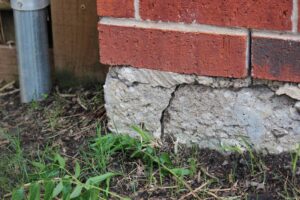
- Colder Extremes and Freeze-Thaw Cycles: In colder geographic regions, highly variable winter temperatures trigger repeated freeze-thaw cycles. This manifests as cracked pavement, eroded brick masonry, and frozen or burst pipes, problems that prove intensely costly and disruptive.
- Increased Storm Intensity and Wind Damage: The arrival of stronger storms brings a much higher threat of ruined siding, shattered glass, broken fences, and fallen trees. Even in scenarios where specialized insurance covers major events, high deductibles and uncompensated property work still diminish monthly cash flow.
In the wake of these disruptive climate-related events, the ongoing stress of climate change multiplies everyday asset wear and tear and accelerates the baseline aging process of building materials. Roof systems wear out prematurely, exterior paint fails rapidly, and core mechanical systems reach breakdown status far sooner than anticipated. Over the years, this accelerated wear compounds costs across a portfolio. Capital repairs that historically required maintenance only once every decade or two now call for attention much sooner, fundamentally reshaping long-term budgeting accuracy and expected investment return projections.
Real Estate Climate Upkeep Strategies That Protect ROI
Within a climate-stressed environment, resolving to manage repair and maintenance only when things break turns out far more expensive. Emergency repairs, weekend contractor premiums, and tenant displacement all pile up hidden costs that impact returns.
Preventive maintenance, by contrast, establishes operational predictability. Through tackling small issues early, property owners can extend and stabilize operating expenses despite changing conditions.
Truly, a brilliant perspective on climate maintenance in real estate focuses on building resilience and risk prevention. Because of this, prudent buyers are increasingly prioritizing:
- Additional frequent inspections of high-risk locations
- Climate-appropriate materials and upgrades
- Improved drainage, ventilation, and insulation
- Timely repairs to minimize weather-driven compounding issues
In unison, these methods serve to control costs and reduce surprise expenses.
Climate Trends Are a Maintenance Reality, Not a Future Problem
The climate-related impact on rental properties is currently redefining the baseline for long-term maintenance costs. Real estate operators who acknowledge this environmental shift at this juncture and map out their future steps will be more heavily secured to protect and preserve the value and cash flows of their assets. The clear takeaway is that climate-aware maintenance is no longer up for debate; it is profoundly strategic.
With Real Property Management Palisade, maintenance coordination centers on immediate climate conditions instead of past calculations. Our local experts in Lyndhurst and bordering districts stand ready to support you. Contact us via our digital portal or contact 201-994-3999 to evaluate how our forward-looking, climate-aware maintenance policies assist rental property investors to organize their portfolios with full peace of mind.
This content is provided for general informational and educational purposes only and does not constitute financial, legal, tax, or investment advice. Readers should consult with licensed professionals regarding their specific circumstances.
We are pledged to the letter and spirit of U.S. policy for the achievement of equal housing opportunity throughout the Nation. See Equal Housing Opportunity Statement for more information.
